
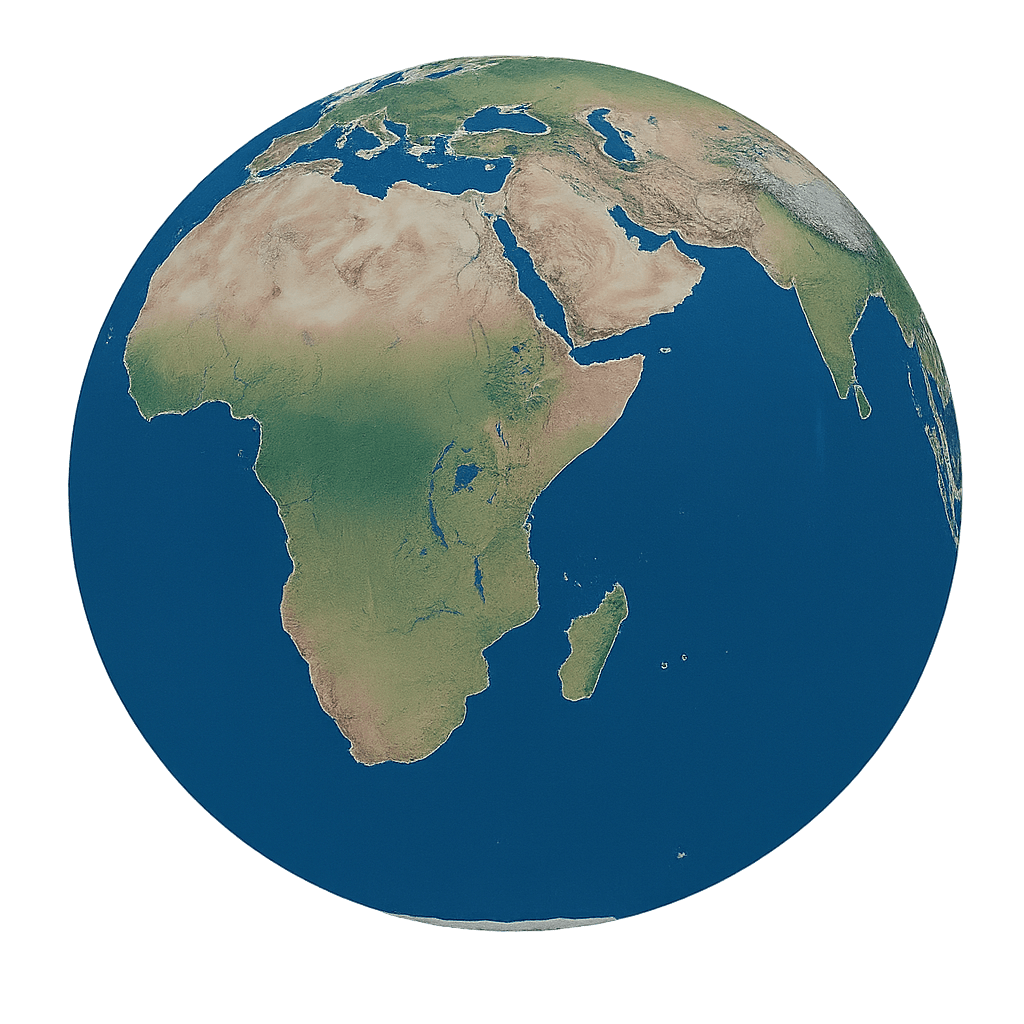
Space Tech: ESA’s JUICE spacecraft completed a gravity-assist flyby of Earth, capturing views of Africa, Madagascar, and the Moon as it sped up for its Jupiter mission (arrival expected in 2031). Madagascar Connectivity: Telecommunications minister Mahefa Andriamampiadana met SpaceX executives in Los Angeles to discuss Starlink’s upcoming tech and possible satellite connectivity projects for Madagascar. Mining & Water Safety: Over 6,500 people in Madagascar filed a High Court claim in London against Rio Tinto/QIT Madagascar Minerals, alleging contaminated wastewater with lead and uranium harmed communities’ water used for daily life. Public Health Research: A Lancet Global Health study estimates chewing tobacco caused about 251,000 deaths worldwide in 2023, with roughly 84% concentrated in South Asia. Biodiversity Science: New research on indri lemurs suggests their singing uses mouth-shape tuning to help carry songs through Madagascar’s forests. AI & Work: A report highlights how AI growth depends on data workers, including exploitation risks in outsourced training and content moderation.
AGP Executive Report
Your go-to archive of top headlines, summarized for quick and easy reading.
Note: AI summary from news headlines; neutral sources weighted more to help reduce bias in the result. Feedback is welcome. Please let us know if you have any comments or suggestions about the AGP Executive Report.
Space & Connectivity: Madagascar’s telecom minister met SpaceX executives in Los Angeles to discuss Starlink services and possible satellite connectivity projects. Space Science: ESA’s JUICE spacecraft captured views of Earth, Africa, Madagascar, and the Moon during an Earth gravity-assist on Sept. 28, speeding its Jupiter-bound mission (arrival expected in 2031). Public Health Policy: UNGA81 highlighted how universal health coverage and pandemic preparedness must move together, with calls for stronger local capacity, resilient health systems, and community trust. Health Research: A Lancet Global Health study estimates chewing tobacco caused about 251,000 deaths worldwide in 2023, with roughly 84% concentrated in South Asia. Environment & Justice: Over 6,500 people in Madagascar filed a High Court claim in London against Rio Tinto/QMM, alleging contaminated wastewater exposed communities to dangerous lead and uranium levels. Biodiversity Science: New research explains how panther chameleons rapidly change color by shifting the spacing of tiny skin crystals, not just pigment.
Space Tech: ESA’s JUICE spacecraft completed an Earth gravity-assist flyby on Sept 28, capturing new views of Earth, Africa, Madagascar, and the Moon while boosting its path toward Jupiter (arrival expected in 2031). Public Health: A Lancet Global Health study estimates chewing tobacco caused about 251,000 deaths worldwide in 2023, with roughly 84% of the burden in South Asia—use stayed stubbornly high despite tobacco-control progress. Local Environment & Accountability: Over 6,500 people in Madagascar filed a claim in London’s High Court against Rio Tinto/QIT Madagascar Minerals, alleging mine wastewater contamination with lead and uranium. Digital Innovation for Health: UNFPA appointed Ghanaian innovation leader Sydney Hushie as Chief of its Digital Centre of Excellence, including work that supported medical drones and digital tools for maternal health in Madagascar. AI & Work: A report highlights how AI “data workers” in lower-cost regions are used to train and moderate AI systems, raising concerns about exploitation and unsafe working conditions. Cybercrime Crackdown: The FBI’s Operation Blackout dismantled overseas scam compounds tied to crypto fraud and other schemes, seizing about $17B and freeing trafficked workers. Biodiversity Science: Research suggests wild indri lemurs use “opera-like” mouth-shape tuning to sing high notes for long-distance communication in Madagascar’s forests.
AI & Education: A new book highlights how students can be tricked into using AI to cheat and even follow nonsense instructions, while also pointing to darker risks like AI-fueled self-harm. Space Tech: ESA’s JUICE spacecraft completed an Earth gravity-assist flyby, snapping views of Africa and Madagascar as it heads to Jupiter in 2031. Digital Health & Innovation: UNFPA appointed Ghanaian tech leader Sydney Hushie to lead a Digital Centre of Excellence, including digital tools and drone pilots that have supported maternal health supplies in Madagascar. Madagascar Connectivity: The country’s telecom minister met SpaceX executives in Los Angeles to discuss Starlink services and future satellite connectivity projects. Mining & Water Safety: Over 6,500 Malagasy residents filed a High Court claim in London against Rio Tinto over alleged lead and uranium contamination from the QMM mine’s wastewater. Cybercrime Crackdown: The FBI dismantled overseas scam “cities” under Operation Blackout, seizing about $17B and freeing trafficked workers. Public Health: WHO reports cholera deaths rose 30% in 2025, with most cases and deaths concentrated in a handful of countries.

Diabetes Breakthrough: Mauritius says it’s reversing its type 2 diabetes epidemic using WHO-style 2-hour oral glucose tolerance testing, a rare “gold standard” result that could guide other countries. Tobacco Health Warning: A Lancet Global Health study estimates chewing tobacco caused about 251,000 deaths in 2023, with South Asia responsible for ~84%—a reminder that smokeless tobacco control still lags. Mining & Water Safety: Over 6,500 Madagascar residents filed a London High Court claim against Rio Tinto’s QIT Madagascar Minerals, alleging lead and uranium contamination from mine wastewater. AI Worker Rights: A new report highlights how AI growth depends on data workers in lower-cost countries, including allegations of exploitation and unsafe working conditions. Space Tech: ESA’s JUICE spacecraft successfully did an Earth gravity-assist flyby, snapping views including Africa and Madagascar, on its way to Jupiter in 2031. Connectivity for Madagascar: Madagascar’s telecom minister met SpaceX executives on Starlink plans for satellite connectivity projects. Cybercrime Crackdown: The FBI says it dismantled overseas scam “cities” under Operation Blackout, seizing about $17B and freeing trafficked workers.
Madagascar–Mining Legal Fight: Over 6,500 people in Madagascar have filed a claim in London’s High Court against Rio Tinto’s QIT Madagascar Minerals, alleging contaminated wastewater with lead and uranium from the mineral sands operation, with more than 2,000 claimants said to be children; Rio Tinto says it was notified and points to its water monitoring and reports. Space & Connectivity: Madagascar’s telecom minister met SpaceX executives in Los Angeles to discuss Starlink services and possible satellite connectivity projects. Public Health Watch: WHO reports cholera deaths rose 30% in 2025 even as reported cases fell, with most burden concentrated in a handful of countries, including in Africa. Space Science: ESA’s JUICE spacecraft snapped images of Earth and the moon during a flyby as it heads toward Jupiter’s icy moons. Cybercrime Crackdown: The FBI says it dismantled overseas scam compounds under Operation Blackout, seizing about $17B and freeing trafficked workers. Tech Leadership: Canal+ CTO Stéphane Baumier was named Chairman of Irdeto, a cybersecurity firm protecting billions of devices. Health & Research: A major study in Nature suggests bats likely originated in Europe around 65–60 million years ago, reshaping the bat family tree.
Space & Connectivity: Madagascar’s telecom minister met SpaceX executives in Los Angeles to discuss Starlink’s next tech steps and possible satellite connectivity projects across the country. Cybersecurity & Fraud: The FBI says it dismantled overseas “scam cities” under Operation Blackout, seizing about $17B, arresting hundreds, and freeing thousands of trafficked workers tied to crypto, romance, and impersonation scams. Mining & Environment: Over 6,500 people in Madagascar have filed a claim in London’s High Court against Rio Tinto/QMM, alleging mine contamination with lead and uranium in local water used for daily life. Telecom Branding: Yas won three Transform Awards MEA 2026 for brand consolidation, visual identity, and localisation across multiple African markets including Madagascar. Health: WHO reports cholera deaths rose 30% in 2025 even as reported cases fell, highlighting gaps in safe water, sanitation, surveillance, vaccination, and care. Science: A major bat-genome study suggests bats originated in Europe ~65 million years ago, with echolocation appearing very early. Education & Policy: Future Health at UNGA 81 pushed prevention-first health systems, calling for population data, financing incentives, delivery capacity, and trusted community services.
Space & Earth Observation: ESA’s JUICE spacecraft did a close Earth flyby to fine-tune its route to Jupiter, snapping photos of Africa and the Moon while calibrating instruments. Public Health: WHO reports cholera deaths rose 30% in 2025 even as reported cases fell, highlighting gaps in safe water, sanitation, hygiene, vaccination, and care. Cybersecurity & Media Tech: Canal+ CTO Stéphane Baumier was appointed Chairman of Irdeto, a platform security firm protecting billions of devices and fighting piracy and cybercrime. Biodiversity Research: A major bat genome study says bats likely originated in Europe ~65 million years ago and that echolocation may be nearly as old as flight. Madagascar Society: Madagascar’s Gen Z activists mark a year since protests, saying they feel “betrayed” after a crackdown under the new military-led government. Health Systems & AI: Abu Dhabi’s Future Health convened UNGA leaders on prevention-first health systems, including how AI and better data can support earlier intervention. Agritech & Food Security: Research and industry updates spotlight climate pressure on Madagascar’s vanilla supply and the need for science-backed farming resilience.
Cybersecurity & Fraud: FBI Director Kash Patel says “Operation Blackout” has seized about $17B tied to foreign scam compounds targeting Americans, combining overseas raids, asset seizures, and network disruption. Biodiversity Research: A major Nature study using genomes from 103 bat species and fossils suggests bats originated in Europe ~65 million years ago, with echolocation appearing very early. Digital Security Leadership: Canal+ CTO Stéphane Baumier appointed Chairman of Irdeto’s supervisory board, as the company protects billions of devices worldwide against piracy and cybercrime. Madagascar Human Rights: A report highlights terror faced by people with albinism in Madagascar, including an attack in Toliara where a child was forcibly taken. Health Systems & AI: “Future Health” convened UNGA leaders to push prevention-first healthcare, stressing population data, financing, delivery capacity, and trusted systems—Madagascar among participating countries. Ocean Monitoring: OceanEye International Alliance secured major pledges to expand global ocean observation, supporting weather and climate forecasting plus maritime safety. Agriculture & Food Tech: Madagascar’s vanilla supply faces climate volatility, while global research also flags how storms and warming are intensifying risks for vulnerable regions.
Madagascar Tech & Science: A major bat genetics study (Bat1K) says bats originated in Europe about 65 million years ago, reshaping the bat family tree and helping explain when echolocation evolved—new insights that also refine how Madagascar’s own bat species fit into the global picture. Climate & Food Systems: Reporting highlights how climate aid is often delivered as loans, leaving the poorest countries with rising public debt while adaptation needs grow—an issue that hits Madagascar’s climate-vulnerable communities hard. Health Tech & Data: “Future Health” convened global health leaders at UNGA to push prevention-first systems, calling for population data, better financing, stronger delivery capacity, and trusted care—Madagascar was among the participating countries. Ocean Monitoring: The OceanEye International Alliance launched to strengthen the Global Ocean Observing System, backed by major pledges (including Canada and the EU), supporting weather forecasting and coastal protection. Madagascar Politics (youth): Madagascar’s Gen Z activists mark a year since the military takeover, saying promised reforms stalled and crackdowns returned. Energy & Agritech: Coverage on Madagascar vanilla stresses how cyclones and drought threaten supply, pushing the need for science-backed farming and supply-chain resilience.
Biodiversity & Heritage: Chilean customs seized 222 110-million-year-old marine fossils shipped from China but attributed to Madagascar, with specialists now pushing to protect the finds and assess whether they should be returned. Climate & Agriculture: A new report highlights how erratic weather, cyclones and drought are threatening Madagascar’s vanilla supply—still a major share of the world’s natural vanilla market—raising pressure for science-backed farming and supply stability. Health Systems & AI: “Future Health” convened global leaders at UNGA, including Madagascar, to shift health systems toward prediction, prevention and earlier intervention, with calls for population data, prevention financing, delivery capacity and trusted community care. Ocean Monitoring: The OceanEye International Alliance secured major pledges to strengthen the global ocean observing network (GOOS), supporting weather, climate and coastal resilience—relevant for Madagascar’s island risks. Science Spotlight (Madagascar): Researchers report indri lemurs use an opera-like vocal technique to hit high notes, adding fresh evidence of sophisticated communication in Madagascar’s forests. Youth & Governance: Madagascar’s Gen Z activists mark a year since the military takeover, saying promised reforms stalled and crackdowns returned. Energy & Tech Investment: NextSource announced a binding US$30M strategic investment framework with Japan’s Hanwa and JOGMEC to advance a battery anode facility in Abu Dhabi, signaling continued momentum in battery-materials tech. Cybersecurity Leadership: Canal+ CTO Stéphane Baumier was appointed chair of Irdeto’s supervisory board, as the firm protects billions of devices worldwide.
Bats Evolution Breakthrough: A major Bat1K genomic + fossil study says the first bats likely originated in Europe about 65 million years ago, reshuffling the bat family tree and even suggesting echolocation may have appeared before modern bat lineages. Madagascar Biodiversity Spotlight: The same research wave highlights Madagascar’s bat groups in the new evolutionary map, while separate work finds Madagascar’s singing lemurs use an opera-like vocal technique to hit higher notes. Health Systems & AI: At UNGA, Abu Dhabi’s Future Health convened ministers (including Madagascar) to push prevention-first health systems, stressing population data, financing, delivery capacity, and trusted care—plus an AI training push for disease elimination. Ocean Monitoring Funding: Canada and the EU launched the OceanEye alliance to strengthen the Global Ocean Observing System, with major pledges that will support weather, climate, safety, and coastal protection. Reproductive Health Pledges: UNFPA says governments and partners pledged over US$715M to expand family planning and maternal health supplies and services, including commitments involving Madagascar. Solar for Rural Resilience (Madagascar): Japan and WFP inaugurated solar-powered agricultural hubs and nutrition centers in Betioky to help drought-affected communities produce food and improve children’s nutrition. Climate Justice Push: UN chief Guterres urged clear fossil-fuel transition roadmaps with timelines, while King Mswati III called for predictable climate finance and technology transfers.
Global Health Policy: Abu Dhabi’s Future Health convened ministers and leaders at UNGA 81, pushing health systems toward prediction, prevention, and earlier intervention—using population risk data, prevention financing, stronger delivery capacity, and trusted community care (Madagascar among participants). AI for Disease Control: A UAE disease-elimination institute is rolling out AI training for public health leaders, aiming to help low- and middle-income countries use AI for surveillance and malaria priorities. Reproductive Health Funding: UNFPA-led pledges topped US$715M to expand family planning and maternal health services, with Madagascar among partner governments. Ocean Monitoring: OceanEye International Alliance launched with major EU and Canada funding to strengthen the Global Ocean Observing System—supporting weather, climate, safety, and coastal resilience, including Madagascar’s participation. Madagascar Science & Nature: Studies highlight Madagascar’s singing lemurs using an opera-like vocal technique, while ancient DNA work links introduced livestock spread to forest loss and declines of large native herbivores. Climate & Energy: UN chief Guterres urged clear fossil-fuel transition timelines; UN also launched a critical energy minerals support mechanism including Madagascar to turn mineral wealth into jobs. Local Tech/Innovation: Japan and WFP inaugurated solar-powered agricultural hubs and nutrition centres in Betioky to help drought-affected communities.
UN Health Policy: Future Health convened ministers and leaders at UNGA81 to push health systems toward prediction, prevention, and earlier care, with Madagascar among the participants. Ocean Data Funding: OceanEye International Alliance launched to back the Global Ocean Observing System, with EU and Canada pledging major sums and Madagascar included in the alliance. Reproductive Health Finance: UNFPA says governments and partners pledged over US$715M to expand family planning and maternal health supplies and services, including commitments involving Madagascar. Climate & Food Security Tech: Japan and WFP inaugurated solar-powered agricultural hubs and nutrition centres in Betioky to support drought-affected communities. Biodiversity & Past Climate: New research links the rapid spread of introduced livestock on Madagascar about 1,200 years ago to forest loss and declines in large native herbivores. Madagascar Youth Politics: A year after protests that followed the military takeover, Gen Z activists say the new government is repeating old tactics, with arrests and jail reported. Science Spotlight: Studies on singing indris highlight opera-like vocal techniques, while separate work suggests bats originated in Europe ~65 million years ago.
Global Health Policy: Abu Dhabi’s “Future Health” convened ministers and leaders at UNGA81, including Madagascar, to push health systems toward prediction, prevention, and earlier intervention—highlighting needs for risk data, prevention financing, delivery capacity, and trusted services. Ocean Monitoring Funding: Canada and the EU launched the OceanEye International Alliance for the Global Ocean Observing System, securing major pledges (including Madagascar’s participation) to keep ocean data flowing for weather, climate, safety, and coastal resilience. Climate & Energy Transition Minerals: UN chief António Guterres backed a new Country Support Mechanism for critical energy transition minerals, naming Madagascar among the first beneficiaries to build local value chains and jobs. Madagascar Food & Nutrition Tech: Japan and WFP inaugurated solar-powered agricultural hubs and learning/nutrition centres in Betioky to help drought-affected communities produce food and strengthen resilience. Wildlife Science: A landmark bat genome study suggests bats originated in Europe ~65 million years ago, reshaping the bat family tree. Conservation Bioacoustics: New research finds Madagascar’s singing lemurs use an opera-like technique to hit high notes. Local Tech & Infrastructure: Réunion’s airport terminal reportedly avoids air conditioning using natural ventilation and large fans—an energy-saving design lesson for the region. Civic Tech & Youth Politics: Madagascar’s Gen Z activists say they feel “betrayed” after a year of protests and crackdowns under the post-Rajoelina government.
Ocean Tech Funding: Canada and the EU just launched the OceanEye International Alliance to strengthen the Global Ocean Observing System, with pledges totaling at least €211M (including EU €92M and Canada C$82M over five years) to back sensors, drones, ships, and data hubs—key for weather, climate forecasts, and coastal protection. Madagascar Climate & Food Security: Japan and WFP inaugurated solar-powered agricultural hubs and learning/nutrition centres in Betioky, supporting drought-affected communities with JPY 300M (about $2.03M) under the Rapid Rural Transformation push. Biodiversity Science: New research finds Madagascar’s indri “singing lemurs” use an opera-style formant tuning trick—mouth movements coordinated to hit higher notes—published in PLOS Computational Biology. Energy Transition Minerals: The UN unveiled a Country Support Mechanism for critical energy transition minerals, naming Madagascar among the first six partners (with Nigeria, Guinea, Indonesia, Zambia, Zimbabwe) to help build local value chains and jobs. Youth & Governance: Madagascar’s Gen Z activists say they feel “betrayed” a year after protests, accusing the new government of repeating crackdown tactics.
Ocean Observing Boost: The EU and Canada launched the OceanEye International Alliance for the Global Ocean Observing System at UNGA81, pledging about €211–€220M (plus assets like sensors and research vessels) to improve forecasting, climate prediction, and coastal resilience. Climate Justice Push: UN chief António Guterres urged countries to publish credible fossil-fuel phaseout roadmaps with clear timelines, while warning emissions keep rising and climate finance must scale fast. Critical Minerals for Jobs: The UN unveiled a Country Support Mechanism for critical energy transition minerals, with Madagascar among the first six partners, aiming to build local value chains and jobs instead of exporting raw materials. Reproductive Health Funding: Governments and partners pledged over $715M to expand family planning and maternal health services and supplies, including commitments involving Madagascar. Madagascar Science: New research links introduced livestock spreading ~1,200 years ago to forest loss and declines in native megafauna, reshaping how we understand ancient ecosystem change. Wildlife Discovery: A study reports Madagascar’s indri lemurs use “formant tuning” similar to opera singers to hit high notes. Youth & Power: Madagascar’s Gen Z activists say they feel betrayed a year after protests, accusing the new authorities of repeating crackdowns.
Natural Ventilation at Roland Garros Airport: A new arrivals terminal near Madagascar’s region is proving you can skip air conditioning with floor-to-ceiling airflow design, ceiling fans, and a roof shape built for cooling by breeze. Madagascar Biodiversity Research: New work on wild indri lemurs finds they use “formant tuning” like opera singers—mouth movements coordinated with pitch to hit high notes. Reproductive Health Funding: UNFPA says governments and partners pledged over US$715M to expand family planning and maternal health supplies and services, with Madagascar among participating countries. Solar Agriculture for Drought Areas: Japan and WFP inaugurated solar-powered agricultural hubs and learning/nutrition centres in Betioky to help drought-affected communities grow food and protect children’s nutrition. Ocean Observation Push: EU and Canada launched the OceanEye alliance for the Global Ocean Observing System, with pledges reaching at least €211M so far, including support for sensors, drones, and data hubs. Critical Minerals for Jobs: The UN launched a Country Support Mechanism for energy-transition minerals, naming Madagascar among the first six countries to build local value chains. Electricity Reliability Gap: Afrobarometer reports fewer than half of Africans get reliable grid power; Madagascar is among the lowest, with only 9% reporting electricity that works most or all of the time. Gen Z Protest Fallout: A year after youth-led unrest, Madagascar’s Gen Z activists say they feel “betrayed” by a new crackdown and slow reforms. Russia-Madagascar Ties: Reports describe Russia expanding influence after the 2025 military takeover, including cultural centres and Russian language education.
Solar for farming in drought-hit south: Japan and the UN World Food Programme opened three solar-powered agricultural hubs and six learning/nutrition centres in Betioky, funded by JPY 300 million, to boost food production and child nutrition after El Niño-linked drought. Ocean science funding: The EU and Canada launched the OceanEye alliance for the Global Ocean Observing System, with nearly €220M in pledges (including €92M from the EU and CA$82M from Canada) to plug data gaps using ships, sensors and drones. Critical minerals for jobs: The UN rolled out a Country Support Mechanism for Nigeria, Guinea, Indonesia, Madagascar, Zambia and Zimbabwe to turn energy-transition minerals into local value chains and employment, warning that weak governance can worsen risks. Climate push away from fossil fuels: UN chief António Guterres urged countries to publish credible, timed roadmaps to end fossil fuels and scale climate finance, as emissions keep rising. Madagascar politics and youth tech activism: A year after Gen Z protests helped topple Rajoelina, activists say the new government is repeating old tactics, including crackdowns and arrests. Madagascar–Russia ties: Reporting says Russia is expanding influence via cultural centres and military cooperation, including weapons deliveries and training links. Wildlife science with a Madagascar link: Studies highlight Madagascar’s singing lemurs using a soprano-like mouth-opening technique, while a separate Nature study reshapes bat origins using genomes and fossils.
Madagascar’s Energy Reality Check: Afrobarometer data shows fewer than 1 in 10 people in Madagascar (9%) get electricity that works reliably, with rural and poor households hit hardest—many turn to alternatives like solar. Climate Pressure on the Region: UN chief António Guterres urged clear timelines to move away from fossil fuels as a new warning flags “Super El Niño” risks, with scientists projecting up to 451,000 deaths if adaptation lags. Science Breakthrough for Madagascar’s Wildlife: A new study reports the world’s only singing lemur, the indri, uses an opera-like vocal trick—opening its mouth wider on higher notes—to help songs carry through Madagascar’s forests. Global Ocean Tech Funding: Canada and the EU helped secure about $339M in pledges for the Global Ocean Observing System, backing better weather and climate forecasting. Geopolitics in Antananarivo: Russia’s influence keeps growing after a military takeover, with Russian cultural and military support expanding in Madagascar. Critical Minerals for Jobs: The UN announced a mechanism to help countries including Madagascar turn energy-transition minerals into local jobs and prosperity.
Sign up for:
Tech Channel Madagascar
The daily local news briefing you can trust. Every day. Subscribe now.
Check Your Email!
We sent a one-time activation link to: .
Confirm it's you by clicking the email link.
If the email is not in your inbox, check spam or try again.
Welcome back!
is already signed up. Check your inbox for updates.